Thought Leadership • March 10, 2026
How the Iran war is rewriting corporate risk
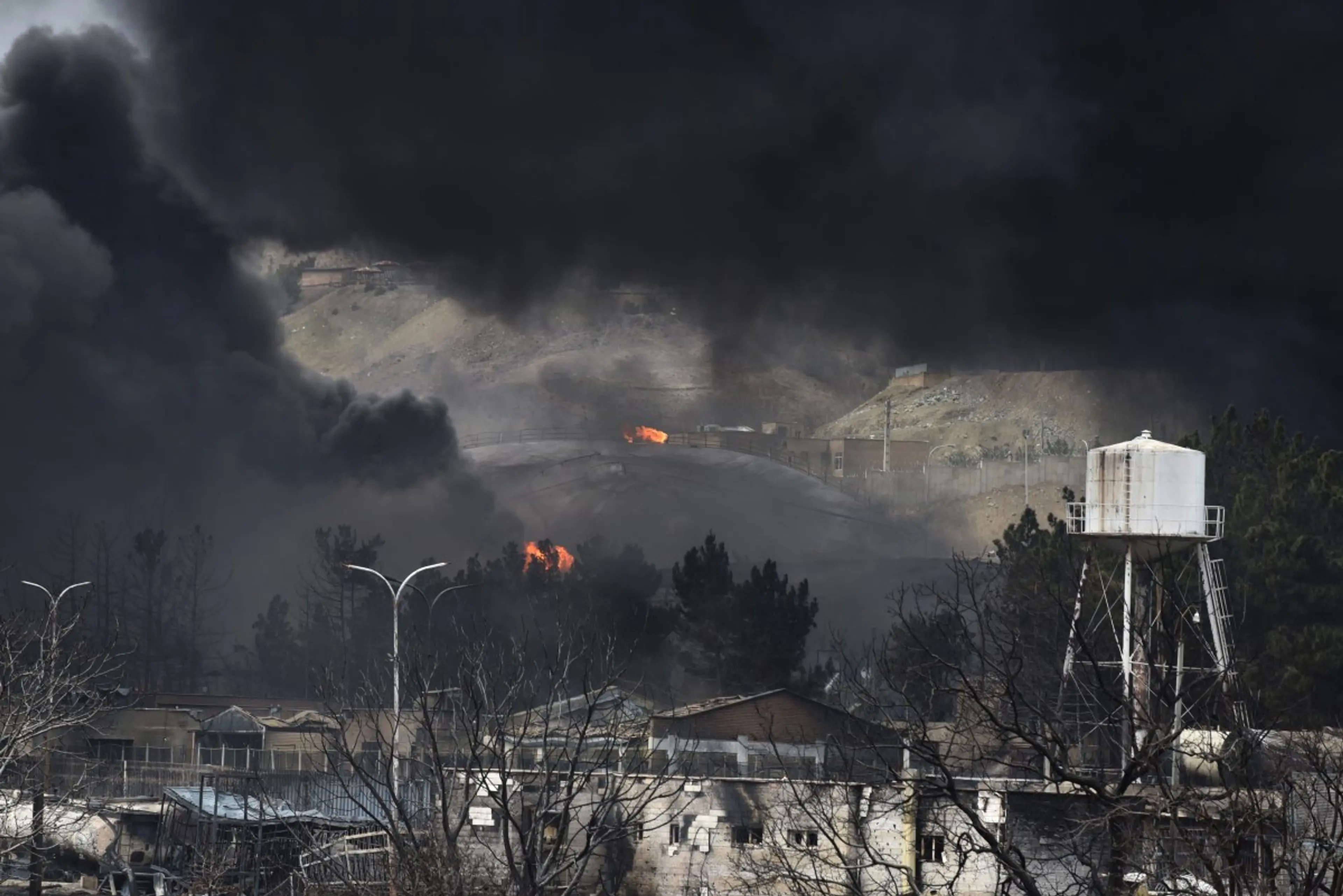
This article originally ran in Newsweek
Jessica Lewis McFate, a former U.S. Army intelligence officer and now VP and director of Intelligence Operations at Babel Street, told Newsweek that the war in Iran has fundamentally reshaped how global companies must think about risk, warning that the battlefield is no longer confined to traditional conflict zones. Instead, she said, the tactics, technologies and adversaries shaping today’s war are already spilling into commercial spaces, supply chains and digital infrastructure worldwide.
McFate said markets have long anticipated a major conflict involving Iran, but the current war is different because it threatens not only oil flows but datacenters, energy corridors and civilian infrastructure across regions once considered stable. Cheap drones, mirrored tactics from Ukraine, and the vulnerability of Gulf technology hubs have created what she described as a new era of “instantaneous geopolitical risk.”
She warned that companies that fail to monitor geopolitical threats with the rigor of intelligence agencies risk being blindsided by adversaries who “mean them harm” and operate far outside the norms of commercial competition. In her view, businesses must adopt a posture closer to military intelligence: study adversaries, anticipate their moves, and understand that threats now span continents and domains.
McFate said AI‑driven systems are becoming essential for detecting early signs of instability, but only when models are trained to account for adversarial behavior—not just routine operational risks. She pointed to an unfolding threat at the intersection of energy, AI, and datacenter expansion, where adversaries are courting companies with nuclear‑energy solutions that could create hidden dependencies.
She also argued that companies must think offensively, not just defensively, in a world where regional wars can disrupt global markets in hours. Real‑time monitoring is no longer the challenge, she said; predicting the next disruption requires mapping adversaries’ logic, capabilities and long‑term strategies.
McFate said the biggest misconception among corporate leaders is treating cyber, financial, geopolitical and compliance risks as separate problems. In reality, she said, they are pieces of a single adversarial puzzle—and companies that fail to integrate them will “pay a lot for the sensation of risk mitigation” without actually protecting themselves.
Looking ahead, she said businesses must prepare for a world where war is continuous, often invisible, and deeply intertwined with criminal networks and state‑backed campaigns. From IP theft to drone strikes, she said, “If it’s the same adversary, all these attacks against you are connected.”