
Babel Street Situational Awareness Reporting
Harness the power of open-source intelligence (OSINT) to gain real-time visibility into unfolding events and emerging threats. By continuously analyzing public data — from social media and forums to news and blogs — analysts and law enforcement can use Babel Street to detect early warning signs, uncover behavioral patterns, and respond with speed and precision.
Turn information into action

Real-Time Social Media Scanning
Monitor mainstream and niche platforms across multiple languages for emerging threats, crowd sentiment, and ground reports

Digital Chatter tracking
Analyze forums, paste sites, and dark web sources for early indicators of planned activity, violent intent, or disinformation

Automated Keyword Alerts
Use persistent searches and alerts to flag mentions of high-risk terms, locations, or individuals across multiple sources

Rapid Data Correlation and Analysis
Rapidly integrate data from multiple sources to contextualize events, interpret signals, and plan appropriate responses

Secure Research
Use a managed attribution platform to mask identity and protect networks while accessing hard-to-reach data from in-country egress points

Location-based Insights
Analyze the geographic origin of images and posts to confirm the credibility of sources and gain accurate information during unfolding events
Explore solution components
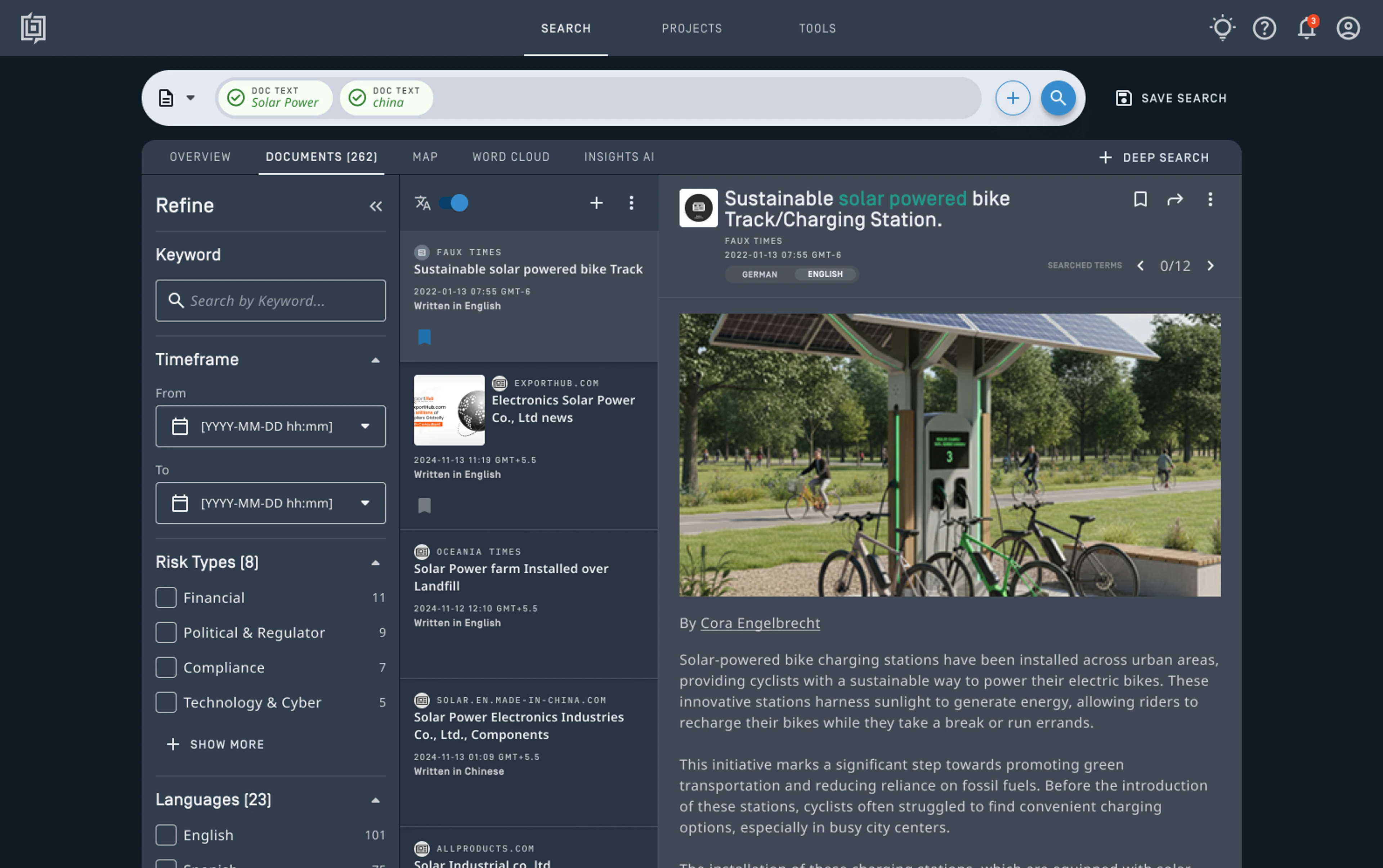
Insights
Real-time, AI-assisted multilingual risk analysis that automates threat detection, scoring, and prioritization to uncover hidden connections, reduce exposure, and drive confident, proactive decisions
Learn more about situational awareness reporting

Data Sheet
Babel Street Insights
Product brief highlighting benefits and features of Babel Street Insights for People Search, Document Search, and maximizing the use of publicly available information.

Data Sheet
Babel Street Secure Access
Product/feature brief for Secure Access
Case Study
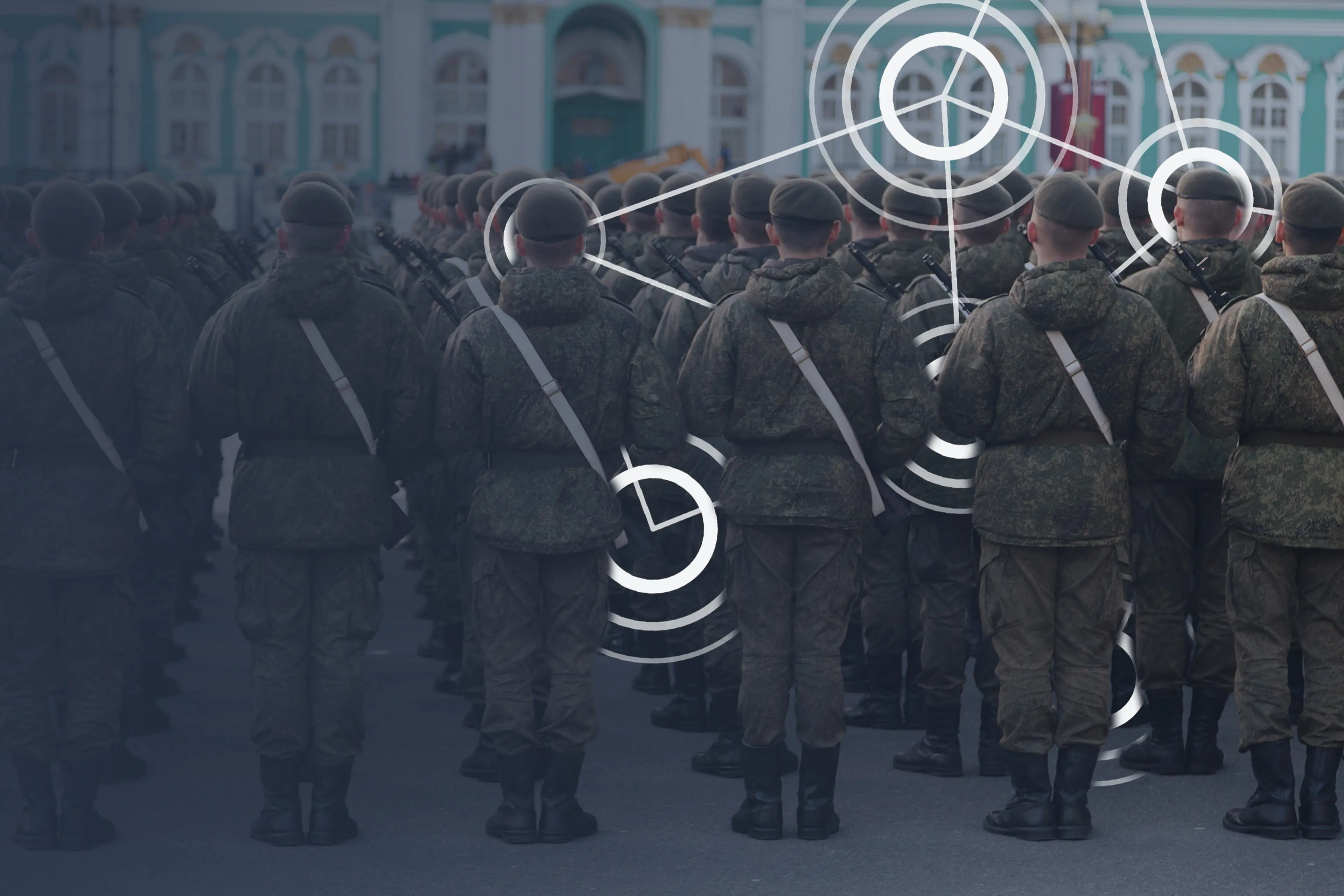
Understanding Russian Troop Strength in Ukraine
How ISW used Babel Street Insights to create order of battle for Russian troops in Ukraine conflict

Case Study
Incursions and Intentions: Understanding the PRC’s Approach to Taiwan’s Kinmen Islands
How ISW used Insights to research China's incursions into Taiwan-controlled waters around Kinmen Islands
Speak with an expert
Frequently asked questions
What is global situational awareness?
Global situational awareness is the ability to understand what is happening across different regions of the world by monitoring key events, actors, and environmental conditions. It involves identifying how individual elements interact and how they evolve over time. This realtime understanding helps organizations anticipate risks and make informed decisions.
Why is situational awareness critical for organizations?
Situational awareness is critical because it provides early insight into threats, disruptions, and emerging developments that could impact operations. It helps teams act proactively rather than reactively, improving decision-making at strategic, operational, and tactical levels. Organizations use these insights to protect assets, people, and missions.
How do global events impact enterprise risk?
Global events — such as conflicts, cyber activity, political unrest, and infrastructure failures — can directly affect supply chains, personnel safety, and business continuity. Even regional incidents can escalate quickly and create downstream operational risks. Understanding these dynamics in real time helps organizations mitigate exposure.
What data sources support situational awareness?
Situational awareness relies on diverse data sources, including news media, public records, social media platforms, dark web forums, and other open-source intelligence. Advanced systems also incorporate commercially available information and regional data feeds that provide insight from hard-to-reach locations. Coverage across hundreds of languages ensures no critical signal is missed.
How is situational awareness used in security operations?
Security teams use situational awareness to detect threats, monitor adversary activity, and track fast-moving events like battlefield movements or cyber incidents. It helps analysts filter noise, identify credible sources, and respond quickly to emerging risks. Alerts, trend analysis, and multilingual monitoring all contribute to a clearer operational picture.
How does AI enhance global situational awareness?
AI enhances global situational awareness by processing massive volumes of multilingual, real-time data that humans cannot manually analyze at scale. The Babel Street Risk Intelligence Platform automatically translates, categorizes, and surfaces relevant signals from more than 200 languages, helping analysts detect patterns and emerging events faster. This automation improves the speed and accuracy of threat detection across rapidly evolving environments.
What role does OSINT play in situational awareness?
OSINT provides a broad, real-time view of global activity by pulling from news outlets, social media, public records, and dark web sources. Babel Street’s situational awareness workflows rely heavily on PAI/CAI to surface battlefield updates, threat indicators, and regional developments faster than traditional intelligence channels. This diversity of sources helps analysts validate information, detect misinformation, and build a more accurate operational picture.
How can organizations monitor emerging threats worldwide?
Organizations can monitor global threats by combining open-source data collection, multilingual search, and automated alerting. Babel Street supports this by continuously pulling information from global and regional feeds —even hard-to-reach areas — using a hardened, secure infrastructure. Filtering, trend analysis, and monitoring features help teams track credible sources and stay ahead of fast-moving risks.
What are the challenges of real-time global monitoring?
Realtime monitoring is challenging because data is high-volume, multilingual, and often mixed with noise, misinformation, or unverified sources. Analysts must distinguish credible signals from irrelevant chatter, especially during conflicts or crises. Tools like Babel Street help mitigate this by highlighting key terms, filtering sources, and surfacing trusted authors over time.
How is situational awareness applied in government vs. private sector?
Government agencies use global situational awareness to track adversaries, identify security threats, and support battlefield or intelligence operations. Private sector organizations apply it to protect employees, maintain business continuity, monitor geopolitical risk, and safeguard supply chains. Both rely on real-time insights from global data streams, but government use cases typically involve higher stakes mission-critical decision-making.
What platforms provide realtime global situational awareness?
Effective platforms combine multilingual OSINT collection, commercial/regional data, and analyst workflows for filtering noise and tracking credible sources. The Babel Street Risk Intelligence Platform delivers this by aggregating public and commercial data (including social, news, dark web, and public records), translating 200+ languages, and surfacing time-sensitive signals via trends and alerts. Its Regional Data feeds add coverage from hard-to-reach locations through a hardened, secure infrastructure to support real-time monitoring.
How does Babel Street deliver actionable intelligence?
Babel Street transforms raw global data into action by automatically translating, categorizing, and highlighting relevant entities and keywords, then visualizing spikes and patterns so analysts can prioritize quickly. Monitoring and filtering workflows help teams identify credible sources over time, reducing misinformation and accelerating decisions at strategic, operational, and tactical levels.
Can global situational awareness be customized by region?
Yes, analysts can focus monitoring on specific geographies, languages, sources, and time windows, and can subscribe to instant or daily alerts tailored to those regions. Babel Street also augments coverage with Regional Data from hard-to-reach areas, enabling localized insight without sacrificing global context.
How does Babel Street support crisis response?
During fast-moving events, Babel Street enables rapid triage by highlighting key terms, clustering related items, and surfacing trend spikes so teams can distinguish signal from noise. Real-time multilingual collection and secure regional feeds help operations centers maintain an up-to-date common operating picture and coordinate response actions.
How is situational awareness integrated into risk management systems?
Babel Street’s outputs — curated results, alerts, and source-level context — feed into security and risk workflows to inform decisions on personnel safety, continuity, and supply chain exposure. Analyst tools for filtering, source credibility, and trend analysis make it easier to operationalize global signals alongside existing risk processes and dashboards.